A journey across the high Himalayas, from the ancient gates of the Forbidden Kingdom of Lo to Bhutan, the Land of the Thunder Dragon, where national success is measured by Gross National Happiness.
19 Mar 26 - 7 Apr 26
Overview
Upper Mustang feels like another world. Over two weeks we travelled from Kathmandu into the ancient Tibetan kingdom of Mustang, exploring remote monasteries, desert valleys and the walled city of Lo Manthang. The landscape looks like it belongs to another era. Many people call it "the last Tibet", and once you're there, you understand why. The journey mixes long overland stretches through the Kali Gandaki valley (the jeep barely exceeds 30 km/h on dirt roads) with a short Himalayan trek to Poon Hill for sunrise views over the Annapurna range. From there, we continued to Bhutan, and the contrast couldn't have been sharper. Where Mustang is raw and windswept, Bhutan is immaculate. Everyone moves through the streets in traditional dress, the dzongs gleam against green hillsides, and the food is genuinely some of the best we've eaten on the road. Two kingdoms, both unforgettable. One raw, one polished.
Itinerary
DaySummaryNotes
Days 1–2Zurich → KathmanduArrival in NepalZurich → Istanbul ~3hIstanbul → Kathmandu ~6h30 min from airport
Arrival in Kathmandu. Transfer to the hotel and time to rest after the international flight.
Day 3KathmanduSightseeing and prep day
Morning briefing with the Third Rock Adventures team to go over the itinerary, gear and permits. Afternoon visit to Boudhanath Stupa, one of the largest in the world and the spiritual heart of Kathmandu's Tibetan community. From there, the Pashupatinath Temple and its cremation ghats along the Bagmati river. Thamel for last-minute shopping.
Day 4Kathmandu → PokharaFlight to Pokhara, sightseeing25 min (Yeti Airlines)
Short domestic flight to Pokhara (800 m). The International Mountain Museum is worth a visit: good context on Nepal's ethnic groups and climbing history. Afternoon at the Shiva statue at Pumdikot (views blocked by clouds on our day), the World Peace Stupa and a walk along Phewa Lake. We caught a small religious ceremony on the shore.
Day 5Pokhara → JomsomMountain flight into Mustang25 min3–4h
Very early airport call, flights to Jomsom (2,700 m) are weather-dependent and almost never depart after 11am. Once assigned a spot on the first flight, it moves fast. The 25-minute flight over the Himalayas is spectacular. From Jomsom we visited the village of Thini on foot through the fields, then hiked to the sacred Dumba Lake. The landscape already feels different: arid, windswept, Far West energy. Jomsom is famous for its apples, dried, juiced or fresh, they're everywhere.
Day 6Jomsom → SangbocheEntering the Forbidden Kingdom4–5h
The Upper Mustang border is marked by a checkpoint and a set of statues. From here, a special restricted area permit is required. The dirt road continues at roughly 10–30 km/h. First stop: Kagbeni, a medieval village at the confluence of two rivers, with an ancient chörten at its entrance and a 600-year-old monastery. The landscape turns increasingly dramatic as you climb toward Sangboche (3,780 m). First cold night, the teahouses are not heated.
Day 7Sangboche → CharangMonasteries, cave shrines and traditional villages4–5h
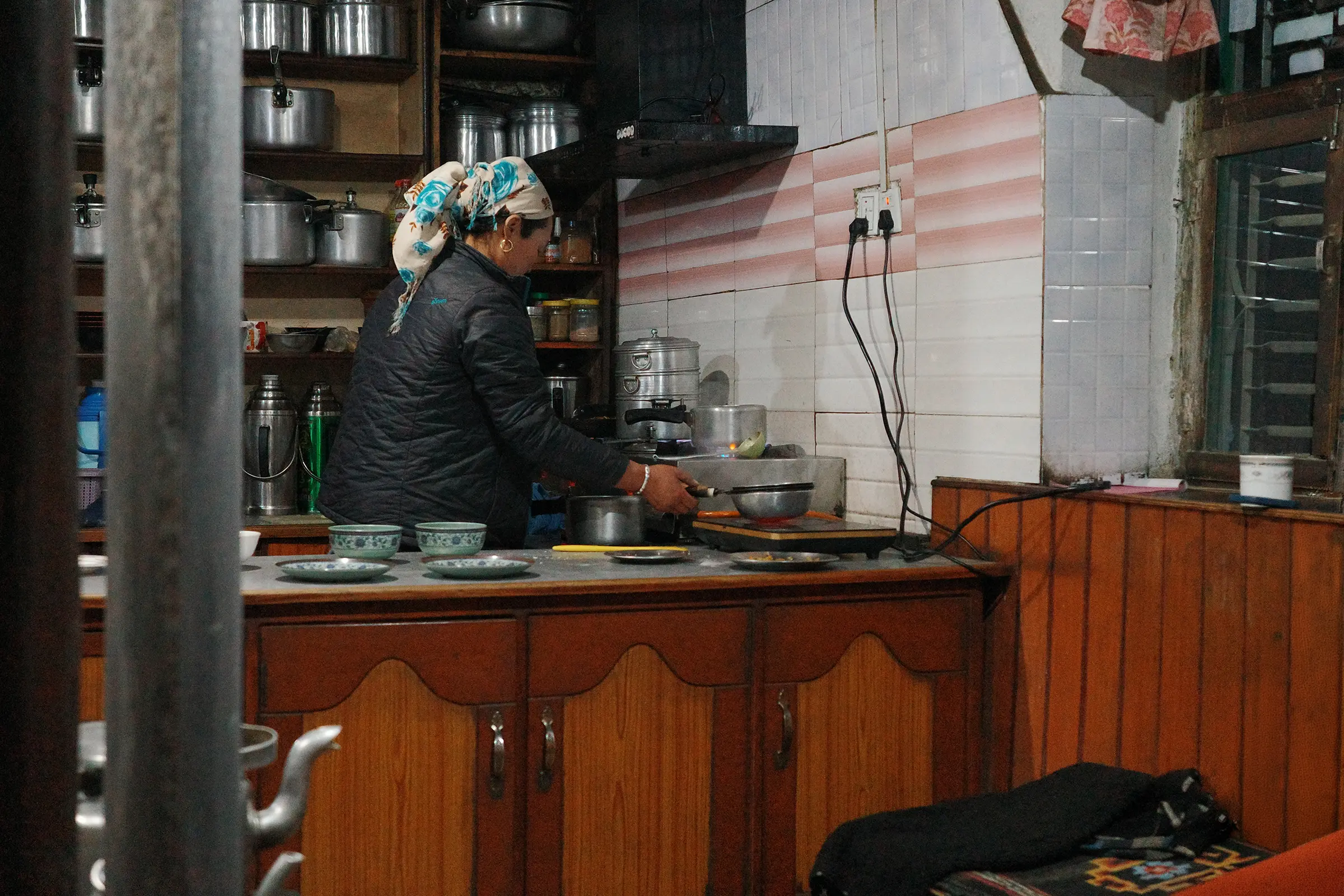
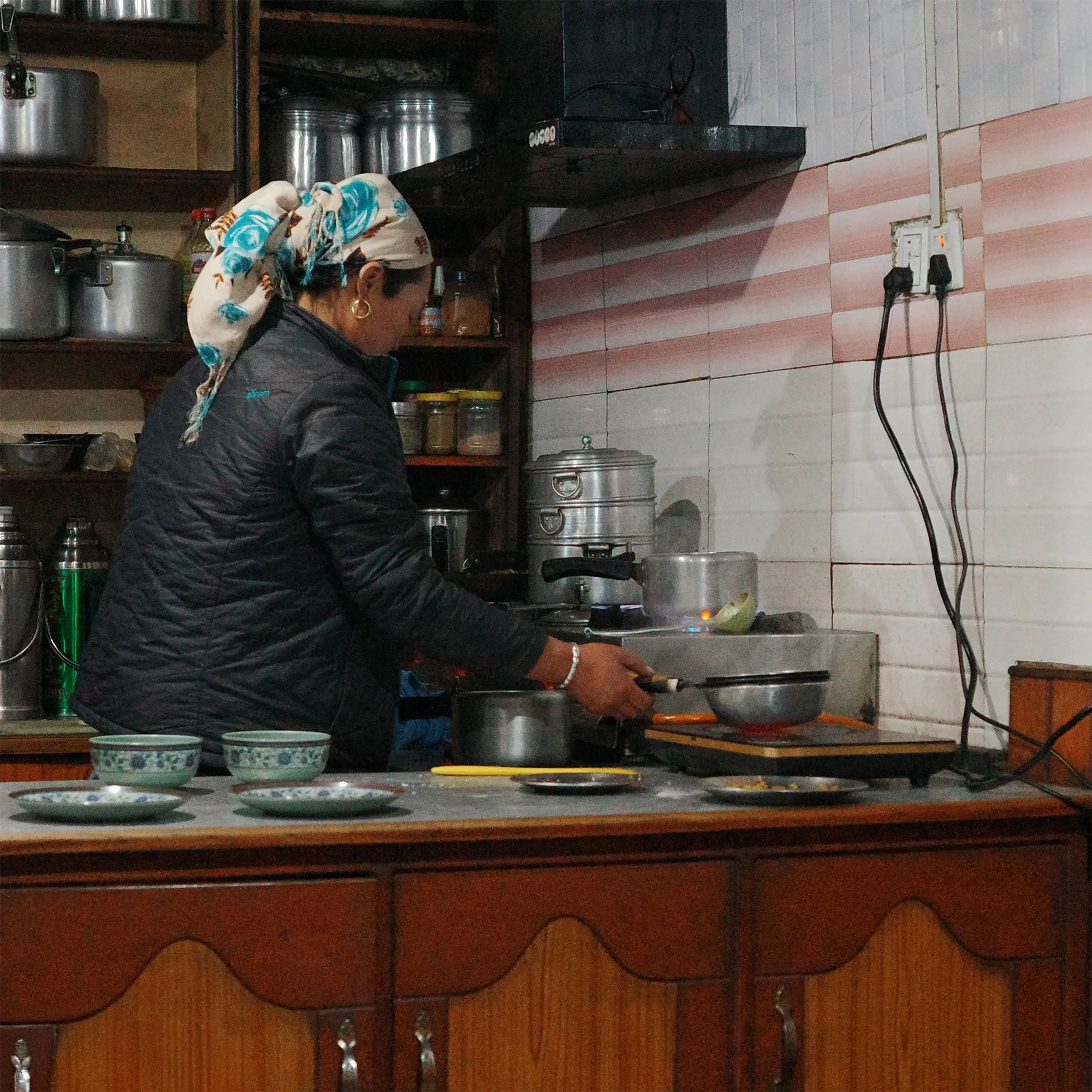
Morning visit to the cave-monastery of Chungsi, where Guru Rinpoche meditated in the 8th century. From there, the village of Ghiling and its ancient Gumba monastery. Then Ghami: dung drying on rooftops, women washing clothes at public fountains, more animals than people in the lanes. Arrived at Charang (3,580 m) in the late afternoon. In the evening, the guesthouse owner taught us to make Momo.
Day 8Charang → Lo ManthangThe walled city3–4h
A full morning of monasteries before reaching the capital. The Red Gumba at Tsarang holds original 700-year-old murals painted with natural pigments, never restored. The Ghar Gumba, one of the oldest in Mustang at around 1,500 years, guards ancient prayer wheels said to contain sacred books. Then the Charang castle (14th century): dark, silent, slightly unstable and completely extraordinary. Inside: ceremonial masks, weapons... and the mummified hand of the architect the king had mutilated so he could never build anything as beautiful again. No display cases: the monks just hand things to you. Arrived at Lo Manthang (3,840 m) by afternoon.
Day 9Lo ManthangCaves, monasteries and a walled city to explore1–2h
A full day in and around the ancient capital. Morning visit to the Sija Jhong cave complex: five storeys carved into the rock, built 300 years ago as a hiding place during Tibetan raids. Up to 120 people once lived here: with a kitchen, prayer room and sleeping quarters. The Lo Nyifu monastery, cut into the cliff face nearby, dates to the 15th century. Afternoon free to wander Lo Manthang's alleys: a Himalayan mastiff guards the royal palace, a local artist sells hand-painted mandala from a small shop. Everything moves slowly here, and that's the whole point.
Day 10Lo Manthang → GhamiFossils, a cliff monastery and the road back south5–6h
We begin retracing the route toward Lower Mustang. A stop at a dry riverbed where fossils erode out of the sediment. Then a detour to Luri Gompa (3,990 m), a 12th–14th century monastery built into a cliff face: beautiful, but the two-hour detour by jeep is a tough sell. Honest verdict: unless you're a real monastery devotee, it can be skipped. Back through Charang for lunch at the guesthouse where we learned to make Momo. Night at Ghami.
Day 11Ghami → MuktinathPilgrimage site and Annapurna views4–5h2–3h | ↑475 m ↓371 m
Stop in Marpha, one of the most photogenic villages in Mustang: stone houses without mortar, flat rooftops stacked with firewood, a single main lane lined with shops selling apple brandy and jam. From there, a long drive to Muktinath (3,800 m), a sharp change of atmosphere. After days of near-empty villages, this Hindu-Buddhist pilgrimage site is packed with Indian devotees. Afternoon hike toward Phedi through mountain scenery. A dog adopted us for the whole walk and refused to leave.
Day 12Muktinath → GhorepaniTransition to the Annapurna region6–7h
A long and at times brutal drive south, the road conditions between Mustang and Ghorepani are some of the worst of the trip. Mud, ruts, steep drops. Several vehicles ahead of us got stuck. Lunch stop in Tatopani. Reached Ghorepani by evening: population approximately five hotels and three houses, but the dining room was warm and the menu (burgers, pizza, noodles) felt like a revelation after ten days of fried rice and dal bhat.
Day 13Poon Hill → PokharaSunrise over Annapurna, then back to civilization2h | ↑300 m ↓300 m3–4h
4am alarm, headtorches on, 300 m of stone steps in the dark. Poon Hill (3,200 m) rewarded us, once the mist cleared, with a sweeping panorama of Annapurna and Dhaulagiri. Back down for breakfast, then a long drive to Pokhara. First hot shower in ten days. We took the afternoon for ourselves: boat on Phewa Lake to the island temple (the one we missed at the start), a wander through the lakeside shops and dinner at OR2K.
Day 14Pokhara → KathmanduBuffer day in Kathmandu25 min
Early airport call. Again, flights are weather-dependent and ours was the only one that departed that morning. Arrived in Kathmandu and went straight for crepes with Nutella and strawberries: a necessary decompression. Afternoon in Thamel, a quick pass through Durbar Square, a light visit to a newari restaurant for lunch. Dinner with our guide Surya, a good way to close the Nepal chapter.
Day 15Kathmandu → ParoLanding in BhutanKathmandu → Paro ~1h30 min
The flight to Paro is notoriously scenic, clear days give views of Everest, though clouds blocked ours. The airport itself sets the tone: immaculate, architecturally traditional, felt like arriving somewhere that takes itself seriously. We skipped lunch entirely and went straight to the Paro Tsechu, a Buddhist mask dance festival. For the devout, watching it earns spiritual merit; for the first-time visitor, it's one of the most visually extraordinary things you'll see in the region. Each dancer's costume represents deities, saints or protective spirits. Afterwards, visited the Rinpung Dzong: a 17th-century fortress-monastery whose double function, administrative and monastic, is still very much active.
Day 16Paro → ThimphuTiger's Nest hike4–5h | ↑900 m ↓972 m1.5h
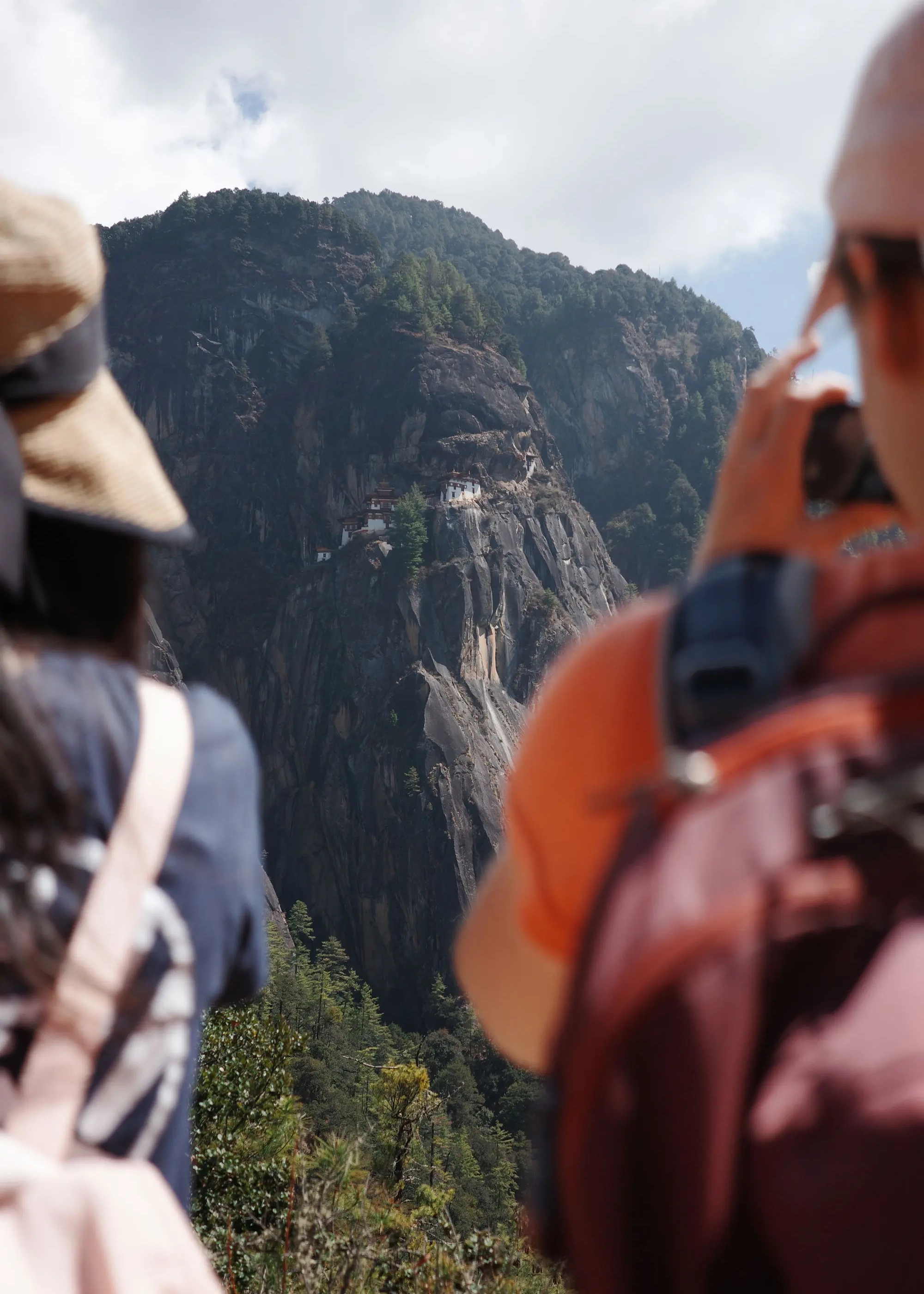
Taktsang, or Tiger's Nest, is one of those places that appears in so many photographs you half-expect to be disappointed in person. We weren't. The monastery clings to a sheer cliff at 3,120 m, built where Guru Rinpoche, according to legend, arrived riding a tiger to teach the locals a lesson in ego. Interior of the monastery: beautiful and surprisingly intimate. Afternoon: hot stone bath (traditional wooden tubs heated with river stones, like an outdoor onsen). Then a try at archery, Bhutan's national sport. Moved on to Thimphu for the night.
Day 17Thimphu → Dodeydra MonasteryThe capital and a night with the monks2–3h up to monastery | ↑418 m ↓73 m30 min
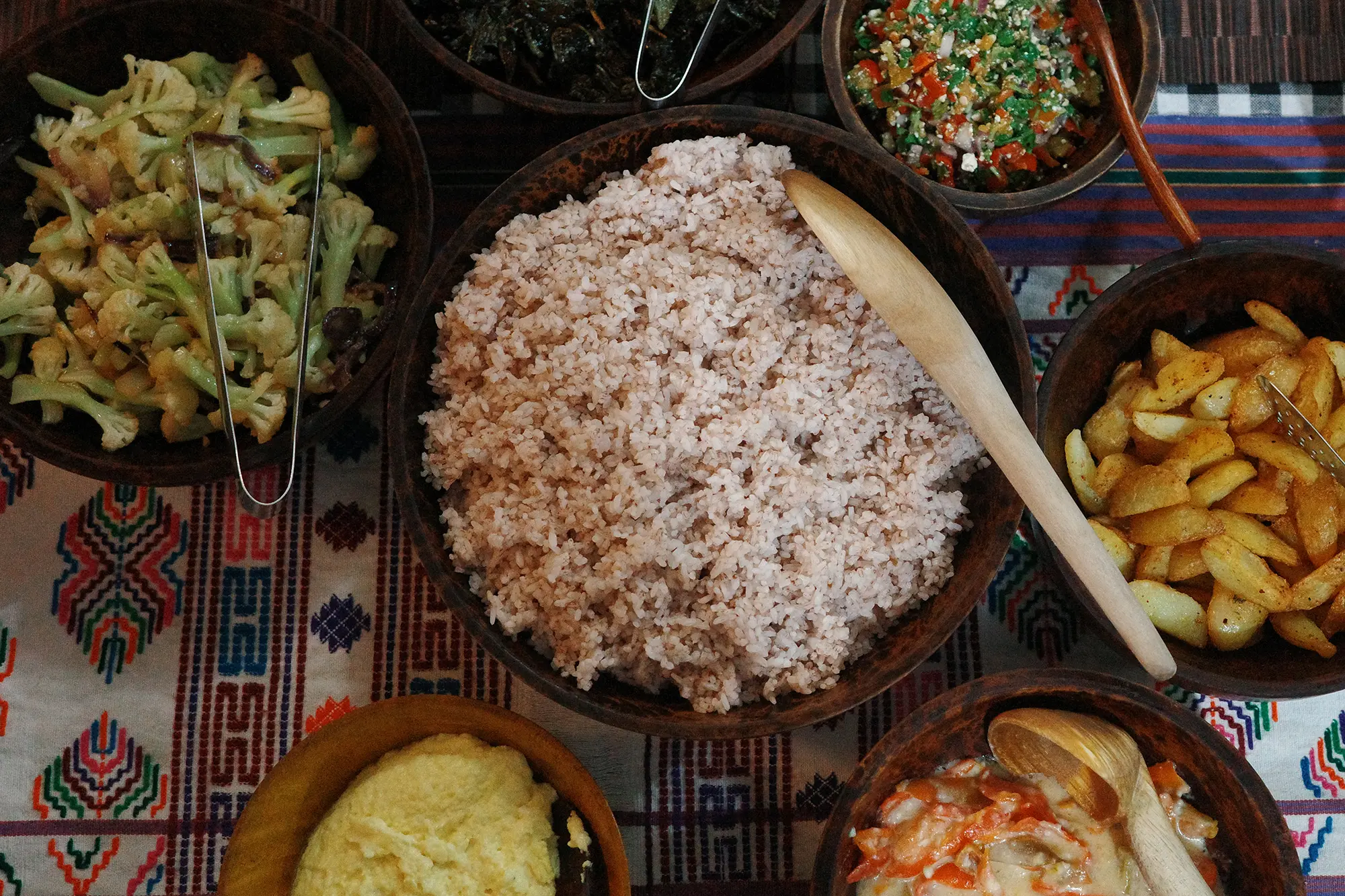
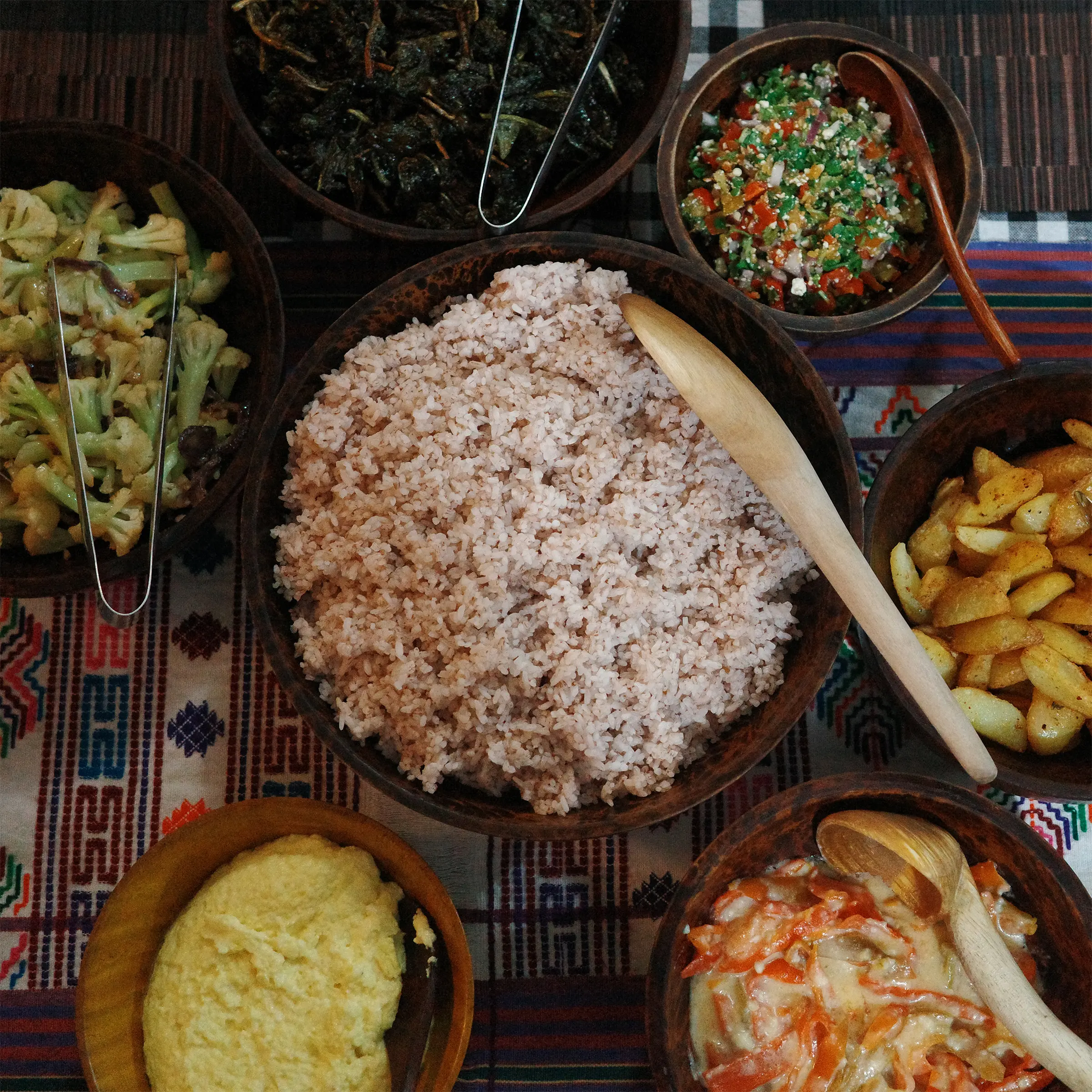
Thimphu is probably the only capital city in the world without a traffic light, a traffic officer directs vehicles by hand from a white booth in the central intersection, because locals voted to keep him instead of the signals. Morning visits to the traditional paper factory (sheets made one at a time from daphne bark), the local market (spices, incense, dried goods), the Choki Traditional Art School and a lunch of entirely traditional cuisine at the Folk Heritage Museum restaurant, served family-style at a large square table with unlimited refills. Worth noting: traditional Bhutanese food is almost entirely gluten-free by default. Afternoon coffee and a surprise gluten-free brownie at Ambient Café near the clock tower. Then a hike up to Dodeydra Monastery, where we spent the night in the monks' rooms.
Day 18Dodeydra → PunakhaFertility temples and Punakha dzong2–3h
Descended from the monastery in the morning. Lunch at Ku-Kham House in Punakha. Then the Chimi Lhakhang, the Fertility Temple dedicated to the 'Divine Madman' Drukpa Kunley: the road leading to it is lined with phallus murals of every scale and style imaginable. Inside, couples who haven't been able to conceive receive a wooden blessing. The Punakha Dzong, consecrated in 1637, is where every Bhutanese king has been crowned since 1907. Spent the night in a 150-year-old mud-and-plaster farmhouse homestay: the host cooked the entire dinner gluten-free, the highlight being an egg scrambled with cottage cheese, chilli and local cheese.
Day 19Punakha → ParoA final hike and the long road back1.5h | ↑450 m ↓450 m4–5h
Morning hike to the Khamsum Yulley Namgyel Chorten: short but steep and hot, ending at a painted pagoda with a 360° view over the Punakha valley, the rice-paddy landscape felt like Guilin. Then a long drive back to Paro. Night at the Tashi Namgay Resort, our first hotel in Bhutan, where the rooms are very good.
Day 20Paro → KathmanduLast morning in Bhutan, karaoke in KathmanduParo → Kathmandu ~1h
Early flight from Paro to Kathmandu, again no Everest sighting. A rainy afternoon in Kathmandu: packed slowly, wandered out for dinner, then booked a private karaoke room for the group.
Day 21Kathmandu → ZurichThe long way homeKathmandu → Istanbul ~6hIstanbul → Zurich ~3h
5am alarm. Long series of flights home via Istanbul. Had planned to study German on the plane. Did not study German.
Reflections & highlights
Upper Mustang: the last Tibet
Upper Mustang is so remote, and life moves so slowly there, that it genuinely feels like another era. Lo Manthang is beautiful, but what I carry with me isn't the walled city or the monasteries. It's the small things: eating dinner in the kitchen because it was the only warm room, heated by a stove burning dried cow dung. More animals than people on the road. A landscape so dramatic, so otherworldly in its reds and ochres, that it almost doesn't look real.
Bhutan: almost too perfect
Bhutan is a strange place to leave. You fall for it immediately; it's immaculate, the people are kind, the architecture is extraordinary, the food is genuinely good. And then, slowly, you start to notice the seams. The tour format is rigid. The stops are curated. By the end it leaves you with a complicated mix of feelings: deeply beautiful, yes, but also carefully packaged for the visitor in a way that's hard to ignore.
Good to know
The teahouses are really basic
We were in low season, so many teahouses were only just reopening. Cold rooms, no insulation, no heating except the kitchen stove (fuelled by dried cow dung). Sheets aren't always changed between guests. Blankets are rarely washed. We found previous guests' toothbrushes in bathrooms more than once. Hot water is not always guaranteed. Our guide selected teahouses based on hygiene standards and we always had an en-suite western toilet, so this was the 'luxury' version.
Bring the essentials
In Upper Mustang, you're responsible for your own hygiene. Pack your own toilet paper, quick-dry towel, and biodegradable soap. They aren't provided. If you plan to use their blankets, bring a sleep liner. It's non-negotiable.
Bring warm slippers
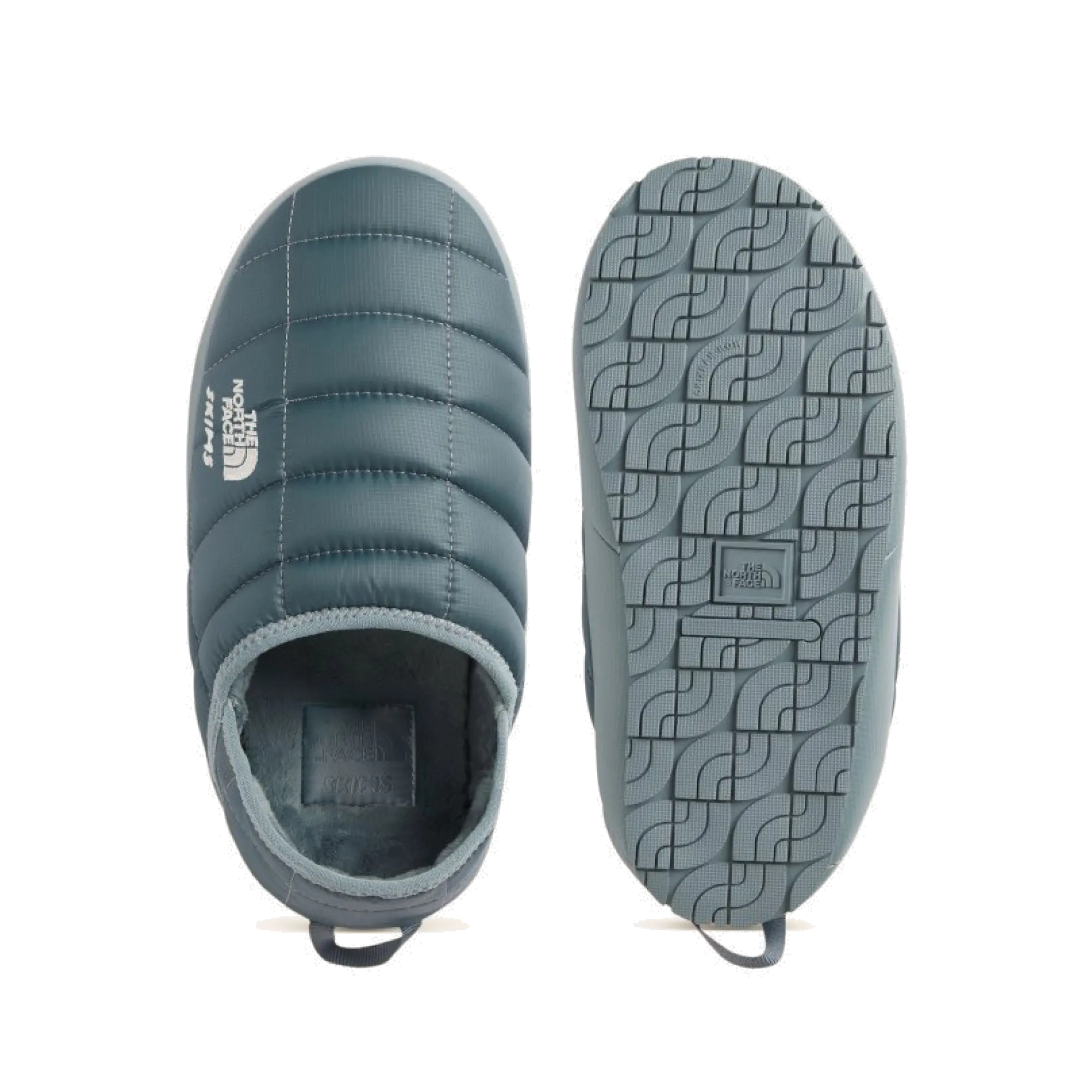
We spent far more time inside the teahouses than I expected. Tours typically wrap up by 4pm, leaving long cold evenings in your room or the communal area. I wore North Face Thermoball slippers for hours daily. Non-negotiable item.
Sleeping bags: lighter than you'd think
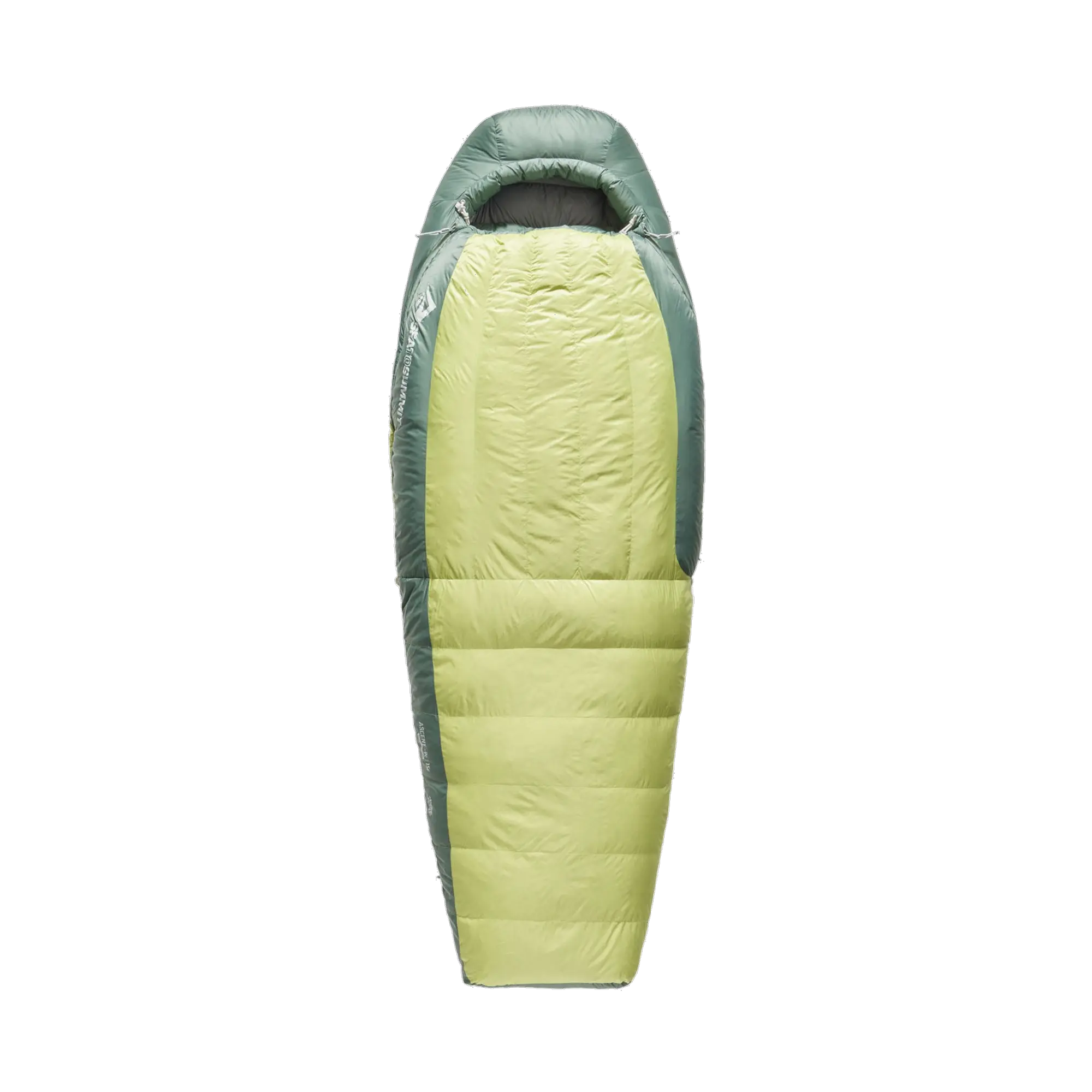
I brought a -9°C bag, which was overkill for Upper Mustang in late March. I ended up sleeping with a silk liner and the bag mostly unzipped. A -5°C would have been plenty. Don't overshoot.
Laundry
Nothing dries in Upper Mustang. Anything you wash stays wet. There are also almost no hooks, rails or wardrobes in teahouses, nowhere to hang anything at all. This is exactly why merino matters: you wear it for multiple days, air it out overnight, and it's fine by morning. A Sea to Summit clothesline takes up almost no space and was used every single night.
Bhutan: a completely different story
After 11 nights in teahouses, arriving at the Tashi Namgay Resort in Paro felt like checking into a spa. Bhutan's tourism industry operates at a different standard entirely: proper beds, clean bathrooms, menus that actually know what celiac disease is.
Gluten-free in Upper Mustang
Our guide Surya was essential. He didn't just hand over the celiac translation cards, he explained everything out loud in Nepali, because many locals in Upper Mustang speak Nepali and a Tibetan dialect but aren't always literate in either. Even so, zero contamination is not guaranteed: I'm fairly certain I had some small cross-contamination along the way, even with all those precautions in place. I never got sick, but I stayed cautious throughout, if a pot hadn't been properly washed, I asked them to redo it, and my safest fallback was hard-boiled eggs peeled by me. Eating gluten-free in Upper Mustang without a guide who understands the kitchen context would be a significant challenge.
All teahouse menus in Upper Mustang are approved by the local tourism association and nearly identical. The reliable gluten-free items: dal bhat (lentils, rice, potato, spinach), egg fried rice, omelette, rice pudding (only if fresh milk is available, ask your guide to confirm the teahouse has its own cow). Momo and thukpa contain gluten. Chowmein contains gluten. Our guide also cut fresh apple for dessert most evenings, which quietly became a ritual.
Gluten-free in Bhutan
Traditional Bhutanese cuisine is based almost entirely on red rice, buckwheat and chilli. No wheat by default. At the better hotels and the Folk Heritage Museum restaurant in Thimphu, the kitchen staff knew exactly what celiac disease meant without any explanation. A few highlights: ema datshi (chilli and cheese), buckwheat pancakes at the Pelyang Boutique, and a full gluten-free home-cooked dinner at the Chimi Lhakhang homestay. The main risks are Momo and any dish that might use soy sauce, easy to avoid once you flag it.
Upper Mustang requires standard entry visa + Restricted Area Permit (RAP) for Upper Mustang (~$500 for 10 days) + ACAP permit for the Annapurna region/Poon Hill (~$25). Everything was arranged and paid in advance through the tour operator. Bhutan requires a $100 USD Sustainable Development Fee per tourist per night, also paid in advance through the tour operator.
The jeep rides are very long
This is the honest piece of information that's easy to underestimate before you go. The roads in Upper Mustang are unpaved, narrow and in some sections barely passable. 10–30 km/h is standard. A 50 km stretch can take 3–4 hours. If you tend toward carsickness, prepare accordingly (I recommend Itinerol B6). The scenery is extraordinary (the valleys, the erosion patterns, the sudden villages) but you will spend a significant portion of each day in the jeep.
Packing List
This is the final selection for my trip, updated after the fact. A few things I packed but never used; a few things I wish I had.
Domestic Nepal flights usually allow only 10 kg checked baggage + 5 kg cabin baggage. Weigh everything before you leave for the airport.
BackpackChecked bagWorn
Documents & essentials
Clothing — base layers
Clothing — outer layers
Footwear
Sleep
Personal care & hygiene
Medical kit
Gluten-free food
Laundry on the road
Tech & electronics
Backpack & trekking gear
Extras & accessories
Documents & essentials
Clothing — base layers
Clothing — outer layers
Footwear
Sleep
Personal care & hygiene
Medical kit
Gluten-free food
Laundry on the road
Tech & electronics
Backpack & trekking gear
Extras & accessories
Documents & essentials
Clothing — base layers
Clothing — outer layers
Footwear
Sleep
Personal care & hygiene
Medical kit
Gluten-free food
Laundry on the road
Tech & electronics
Backpack & trekking gear
Extras & accessories
Gluten-free food
0 / 124Items checked
Gear carousel
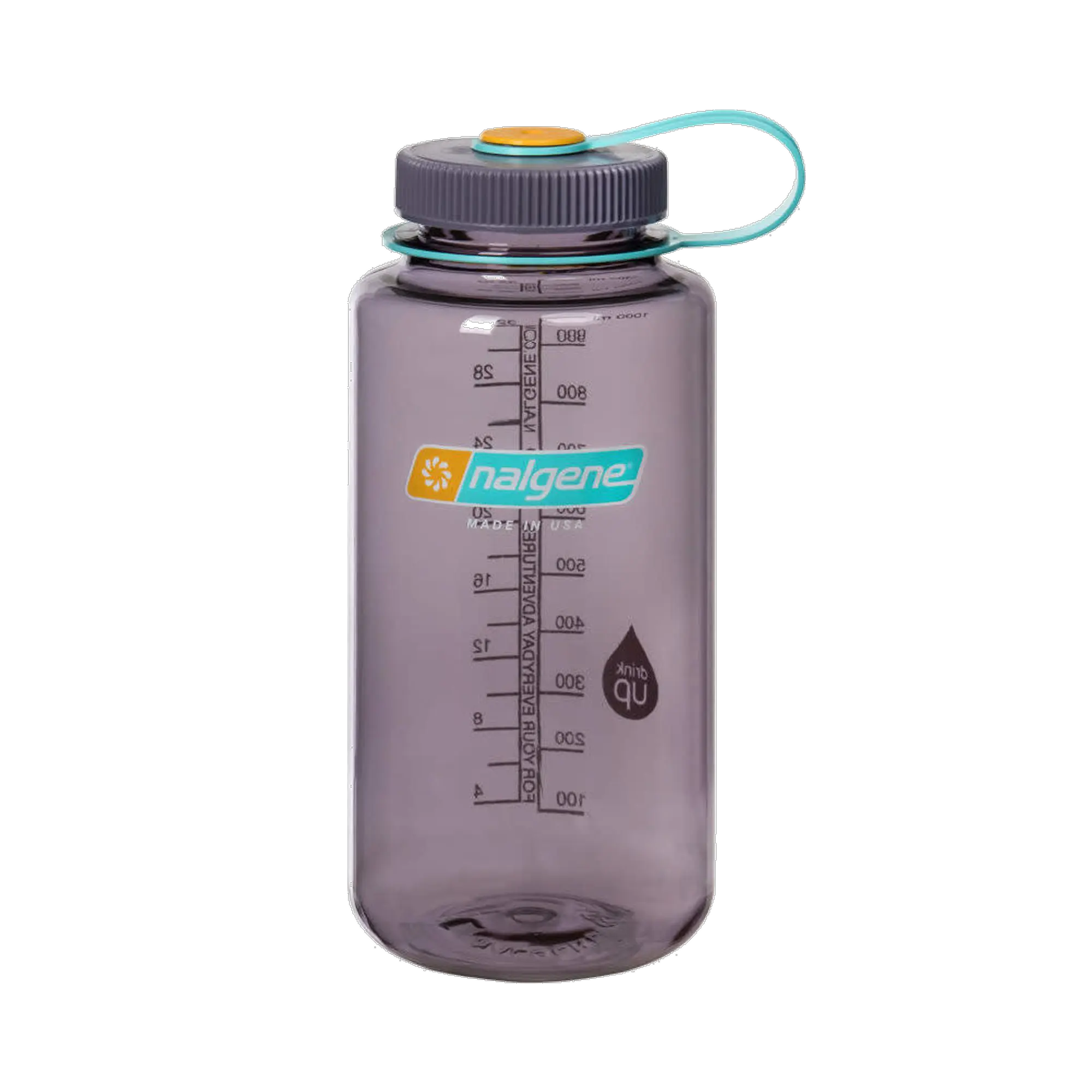
Nalgene bottle
My favorite multi-purpose tool. Before bed, ask the lodge to fill it with boiling water (it becomes a free hot water bottle for your sleeping bag). Logistical tip: store it upside down in your pack. Since water freezes from the top, keeping it inverted ensures the cap won't be jammed by ice when you're ready to drink.
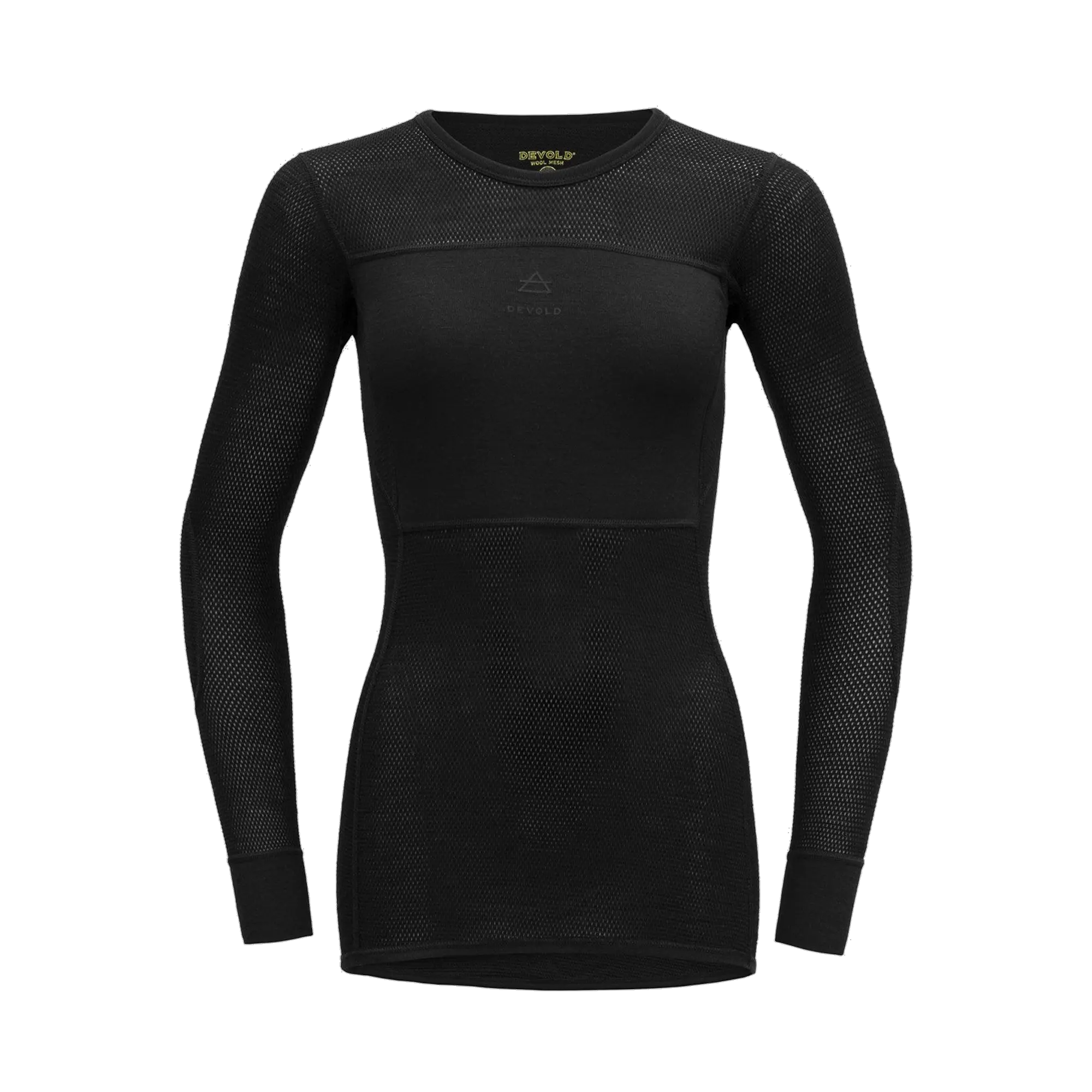
Merino base layer
The secret to staying dry is choosing a mesh base layer. Sweat is what eventually makes you freeze once the wind picks up. The mesh structure wicks moisture instantly, and because it’s merino, it’s naturally antibacterial. You can wear it for days without smelling; just air it out at the lodge and the scent is gone by morning.
Sea to Summit Ascent W's -9°C
Versatile and recommended by a friend, but in my case a -5°C would have been the smarter pick. The -9°C was overkill for Upper Mustang in spring and I ended up sleeping with just a silk liner and the bag unzipped to the side. One care tip worth knowing: never fold a down bag, stuff it randomly from the feet up to protect the fibers, and store it inside-out to preserve the DWR coating.
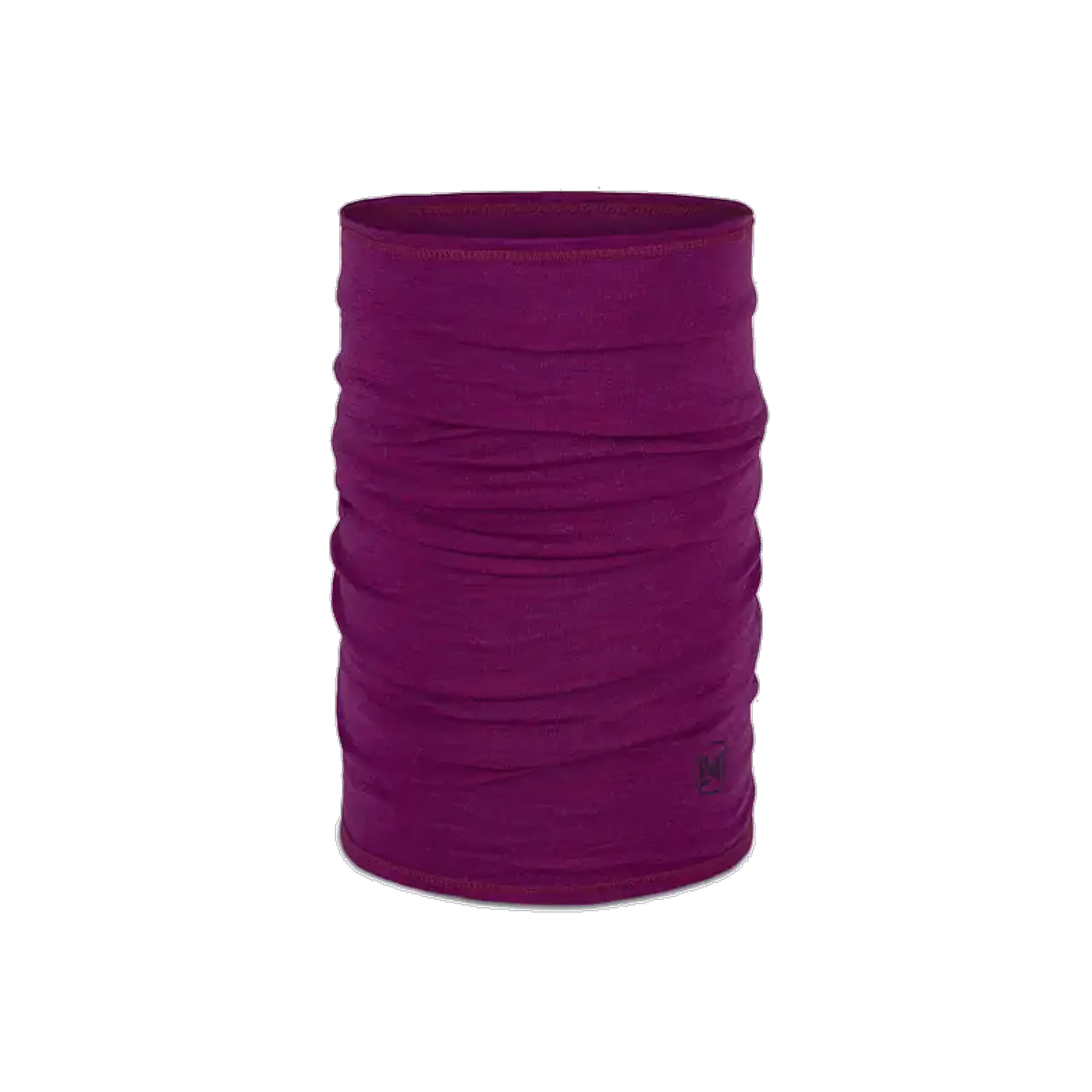
Merino wool buffs
I brought two buffs: a lightweight merino one for the trek to keep the dust and dry air out of my lungs, and a heavy-duty one in case of freezing nights. In the end I mostly used the lightweight one and barely touched the heavy version.
North Face Thermoball Traction V Mule
One of the best purchases for this trip. Tours in Upper Mustang wrap up by 4pm and the evenings in teahouses are long and cold — there's no heating except the kitchen stove. I wore these mules for hours every single day, both in the teahouse and around camp.
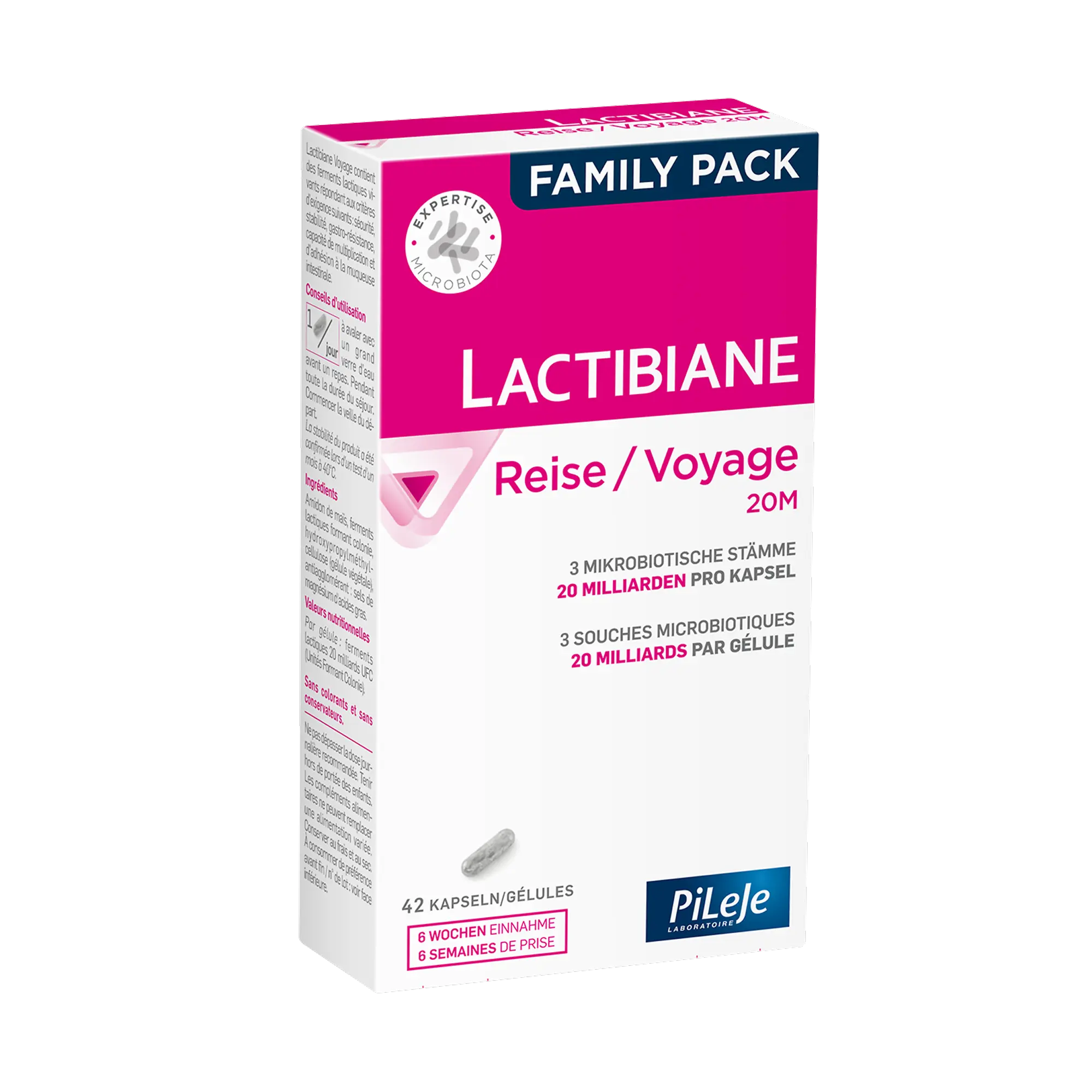
Lactibiane Voyage 20M
I started a course a few days before leaving and kept taking them throughout the trip. The result: zero stomach issues.
Upper Mustang and Bhutan are not easy destinations to get to, and they reward you proportionally. One is raw and remote; the other is meticulous.
Upper Mustang is a place that stays with you. The landscape looks like it belongs to another era, and in many ways it does.
What you need to know going in is that the teahouses are genuinely basic: no insulation, no heating, sheets that aren’t always changed between guests, bathrooms without soap or toilet paper.
The kitchen stove runs on dried cow dung. We were in the “luxury” version and we always had an en-suite western toilet, so adjust expectations downward from there.
Hygiene standards are simply different: animals and their mess are part of daily life, monks wash their clothes on the ground, food is often eaten with hands. And yet none of this is what you carry home.
What you carry home is the kindness: genuine, uncomplicated, with no agenda behind it. And something quieter: the stillness of people who seem entirely present in what they’re doing. I’m still thinking about that. That recalibration is worth every long jeep ride.
Bhutan is a stranger experience to process. You arrive and immediately think: this is almost too perfect, we could live here. A week later you leave with more complicated feelings.
The country is beautiful: the food is excellent, the hotels are clean and comfortable, the traditional dress is worn in daily life not just for ceremonies,
the architecture is extraordinary. But the tour format is rigid. Every stop is curated. Every group does the same circuit in roughly the same order.
The experience ends up feeling slightly packaged, which works against a country that sells itself on authenticity.
The $100/day fee is high and excludes a lot of people who would otherwise visit. Though the logic of reinvesting it into free healthcare and education, and using it to prevent overtourism, is genuinely sound.
What I’d do differently: ask explicitly for a slower, more rural itinerary, ideally toward the east.
Author
Costanza
UX Designer. Engineer. Traveler.
By day, I work in tech; by heart, I’m a lifelong traveler. I’ve always been fascinated by different cultures and the stories they tell. As a bit of a serial over-researcher, I live for finding those local and often hidden gems (thank you, Reddit). This blog is my digital travel diary, documenting my journey through new landscapes, the gluten-free meals I find along the way, and my ongoing struggle to pack a light, fashionable wardrobe.
 Zurich → Istanbul ~3h
  30 min from airport
  3–4h
3–4h